Lens Surgical Treatment Cleared Up: Essential Information


Staff Author-Sherman Colon
If you've been struggling with vision issues and thinking about surgical options for correction, you may have encountered lens replacement surgery. This innovative procedure, often referred to as custom lens replacement, offers a fix for a variety of vision problems, including presbyopia, extreme nearsightedness, and including cataracts. Grasping the details of lens replacement surgery can greatly enhance your decision-making process, helping you to consider the benefits and risks of this advanced medical intervention.
In this comprehensive guide, we will explore the essential aspects of lens replacement surgery. From what to expect during the procedure to recovery timelines and candidacy requirements, we will provide you with the information needed to make an informed choice about your vision. Whether you are exploring the advantages of premium lens options or contrasting lens replacement with other treatments like LASIK, this article aims to clarify the process and provide understanding on what lies ahead.
Comprehending Intraocular Lens Replacement Surgery
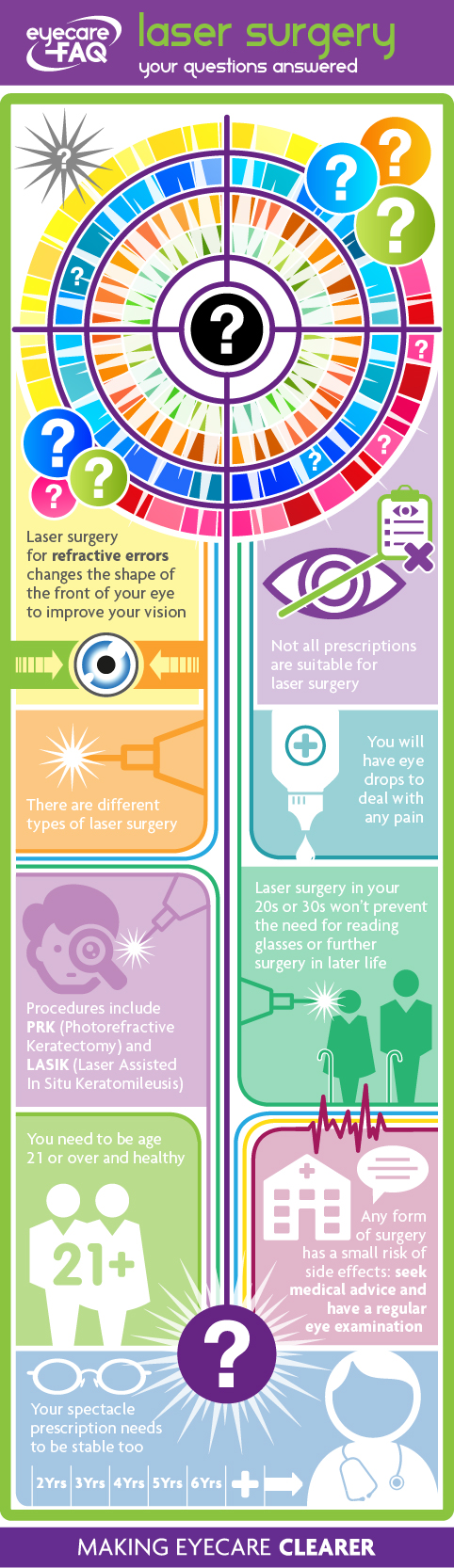
Lens replacement surgery, commonly referred to as lens replacement surgery, entails extracting the eye's intrinsic lens and substituting it with an artificial intraocular lens. This procedure is commonly performed to treat visual impairments such as age-related vision deterioration, long-sightedness, or severe myopia. It is an valuable solution for those who might not be suitable candidates for LASIK and aims to provide enduring vision correction.
One of the primary benefits of lens replacement surgery is the possibility to customize the lens according to the individual's specific vision needs. There are various premium lens options available, including adaptive lenses and extended depth of focus lenses, which can improve visual clarity at different distances. This tailored approach not just improves vision but can also reduce reliance on spectacles or contact lenses.
Although lens replacement surgery is mostly safe, it is vital to understand the potential dangers and complications associated with the procedure. Common concerns include inflammatory response, irritation, and the likelihood of visual disturbances. A detailed consultation with a qualified surgeon is necessary to determine eligibility for surgery and to set realistic expectations regarding outcomes and recovery timelines.
Lens Replacement Eligibility and Costs
Establishing if you are a qualified candidate for lens implant replacement involves several essential factors. Typically, individuals over the time of 40 who suffer from presbyopia or have been identified with significant prescriptions such as myopia or farsightedness may gain from this operation. Additionally, those with thin corneas or who are seeking options to LASIK are often evaluated for lens. A comprehensive evaluation by an skilled replacement surgeon will help determine your eye health, visual requirements, and overall fitness for the operation.
The price of lens replacement surgery varies depending on several factors, including the kind of lenses selected, the surgeon's skill level, and the area of the clinic. Premium lens, such as accommodating lens implants or extended depth of focus implants, can increase the overall cost. On average, patients can expect to spend between three thousand to five thousand dollars for each eye for the operation. It is important to talk about the financial details during the first consultation to comprehend what is factored in in the overall price.
Numerous patients are surprised to learn that various financing options are accessible to help manage the costs related with lens replacement operations. https://www.verywellhealth.com/cycloplegic-refraction-3421806 offer payment plans, which can be interest-free, thus making the procedure more accessible. Additionally, utilizing health savings accounts (HSA) or flexible spending accounts (FSA) can also alleviate the financial burden. It's recommended to ask about all available payment options and any potential tax deductions associated with vision correction treatments during your consultation.
Advantages and Risks of Lens Exchange
Lens replacement surgery offers numerous advantages, especially for individuals seeking freedom from glasses or contacts. https://mgyb.co/s/uUNSX of the main advantages is the possibility for permanent vision correction. In contrast to LASIK, which reshapes the cornea, lens replacement directly addresses vision problems by substituting the natural lens with an synthetic intraocular lens. This procedure can successfully treat a variety of refractive errors, including presbyopia, and enables customization with premium lens options that can improve visual acuity and range.
Nonetheless, like any surgical procedure, lens replacement comes with its set of risks. Potential issues can include infection, bleeding, or adverse reactions to anesthesia. Additionally, some patients may experience side effects such as glare, halos around lights, or difficulty with night vision. While most risks are minor and manageable, it is crucial for patients to have clear expectations and to be aware of these possible outcomes during the consultation process.
Overall, the decision to undergo lens replacement surgery should be made after carefully weighing the advantages against the disadvantages. Consulting with an knowledgeable lens replacement surgeon can provide tailored guidance and advice based on individual eye health and lifestyle needs. Being aware of both aspects will help individuals determine if this procedure meets their goals.
Recovery and Post-Operation Anticipations
After lens replacement surgery, patients typically experience a healing timeline that varies depending on individual circumstances and the specific type of lens used. Initially, it is common to have some discomfort, slight discomfort, or blurry vision as the eyes begin to heal. Many patients notice significant visual improvement in just a few days, but it is essential to follow the surgeon's aftercare instructions diligently for the best results.
During the initial week post-surgery, activities such as perusing or viewing television can usually be resumed, although patients are advised to avoid strenuous exercise and heavy lifting. It is crucial to attend follow-up appointments to monitor the healing process and discuss any concerns. Over the following weeks, vision should steadily improve, and any lingering side effects, like sensitivity to light or dry eyes, often resolve as recovery advances.
Full recovery from lens replacement surgery typically occurs in a month, but the final stabilization of vision may require additional time. Patients should remain aware of any unusual symptoms and communicate with their surgeon if they arise. Participating in regular routine activities will become more manageable, and the benefits of improved eyesight will gradually enhance daily life, allowing individuals to fully appreciate the outcomes of their surgery.